
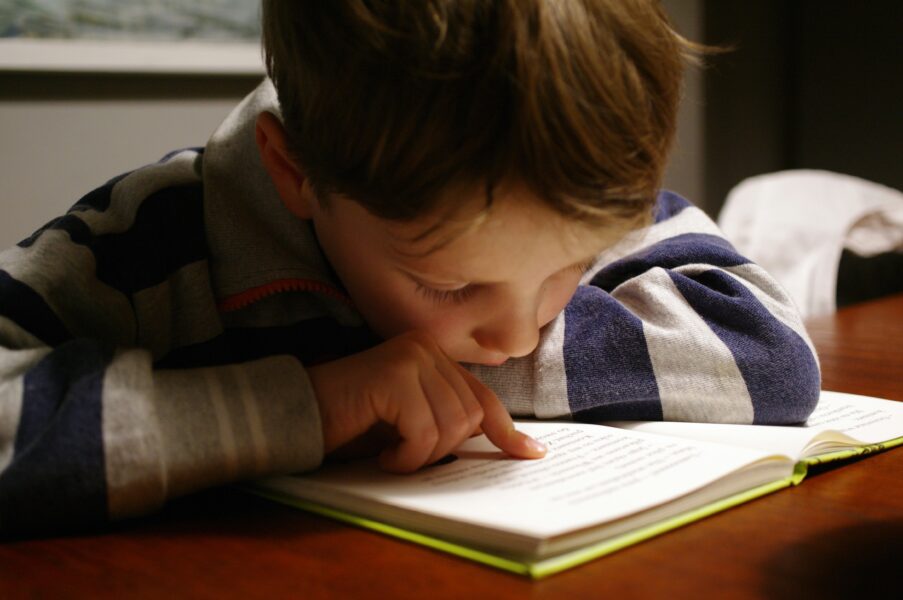
As students head back to the classroom, parents are busy checking school supply lists, attending open houses, and settling into new routines. But there’s one back-to-school task that can have a lasting impact on a child’s success in school: following up on vision screening results.
Many North Carolina schools conduct vision screenings each fall to help identify children who may be experiencing vision problems. Screenings are an important first step, but they do not diagnose vision conditions. If your child is referred after a screening, it’s important to schedule a comprehensive eye exam with an eye care professional.
Vision and Learning Go Hand in Hand
Much of what children learn in school is presented visually. Reading, writing, using technology, viewing classroom displays, and participating in daily activities all depend on healthy vision.
When a child has an undetected vision problem, it can affect:
- Reading and comprehension
- Attention and concentration
- Classroom participation
- Academic performance
- Confidence and self-esteem
Many children do not realize they aren’t seeing clearly because they assume everyone sees the world the same way they do. That’s why vision screenings are so important and why follow-up care matters.
Research shows that early detection and trea
tment of vision problems can support learning, development, and overall well-being. Delaying care after a referral may allow vision issues to continue affecting a child’s performance both in and out of the classroom.
What Parents Can Do
This school year, make vision health part of your back-to-school routine:
✅ Review any vision screening results sent home from school.
✅ Schedule a comprehensive eye exam if your child is referred.
✅ Watch for signs such as squinting, headaches, eye rubbing, or difficulty reading.
✅ Encourage healthy screen habits, including regular breaks from digital devices.
Supporting Healthy Vision Across North Carolina
Prevent Blindness North Carolina’s Children’s Vision Screening Certification Program trains school nurses, healthcare professionals, and community volunteers to conduct quality vision screenings and connect children with needed eye care services.
This fall, remember: a vision screening is the first step, but follow-up care is what makes the difference. If your child is referred after a school vision screening, schedule an eye exam and help set the stage for a successful year of learning.