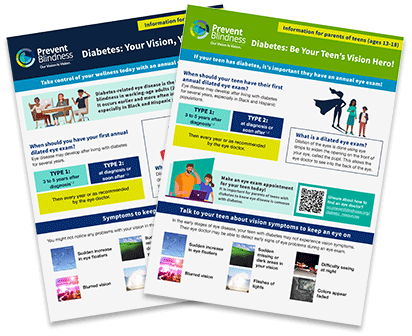
Diabetes doesn’t just affect blood sugar — it can quietly threaten vision, often before any symptoms appear. Diabetes-related eye disease is the leading cause of blindness in working-age adults between 20 and 74, and it strikes earlier and more frequently in Black and Hispanic populations. The good news is that with early detection and consistent care, much of this vision loss is preventable. Young people living with Type 1 diabetes should have their first dilated eye exam within 3 to 5 years of diagnosis; those with Type 2 should be seen at or shortly after diagnosis, then every year going forward. Because eye disease often develops without any noticeable symptoms, that annual dilated exam is a critical part of diabetes care.
For parents and caregivers, staying engaged means more than booking appointments. Talking with your teen about warning signs to watch for — sudden floaters, blurred vision, flashes of light, difficulty seeing at night — builds awareness they’ll carry with them as they grow. Supporting the habits that protect vision matters too: keeping blood glucose levels in check, encouraging physical activity, cooking healthy meals together, and modeling a smoke-free lifestyle. As teens begin taking on more responsibility for their own health, open conversations that invite their input go a long way toward building lasting self-care habits.
Young adults managing diabetes on their own should know that protecting their vision now pays dividends for decades to come. Annual dilated eye exams are the foundation, working best alongside consistent diabetes management day to day. Whether you are a parent, caregiver, educator, or health advocate, Prevent Blindness North Carolina has developed a free Diabetic Youth Resource Kit with bilingual materials covering screening timelines, symptom awareness, and practical guidance for every stage of a young person’s life with diabetes.